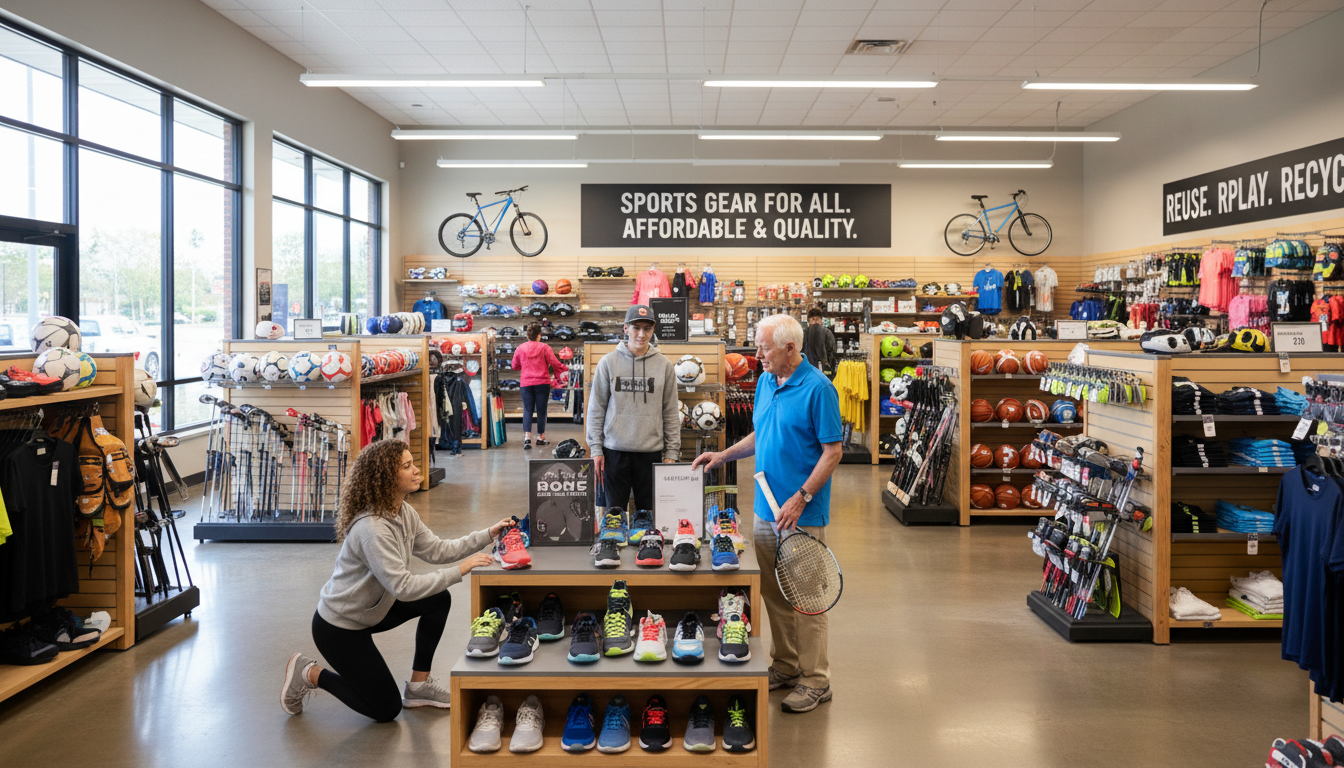
The Impact of Weather on Summer Sports Gear Rentals in Atlanta


Understanding the Influence of Weather on Rentals
Atlanta's summer sports scene is vibrant, drawing locals and tourists to its parks and lakes. However, the weather plays a crucial role in determining the demand for sports gear rentals. From kayaking to cycling, rental businesses must adapt to changes in weather patterns to meet customer needs effectively.
Weather fluctuations can significantly impact the frequency and type of gear rented. During clear, sunny days, the demand for outdoor sports equipment like kayaks and paddleboards often surges. Conversely, rainy or overly hot days can deter outdoor activities, leading to a decline in rentals.
The Role of Temperature
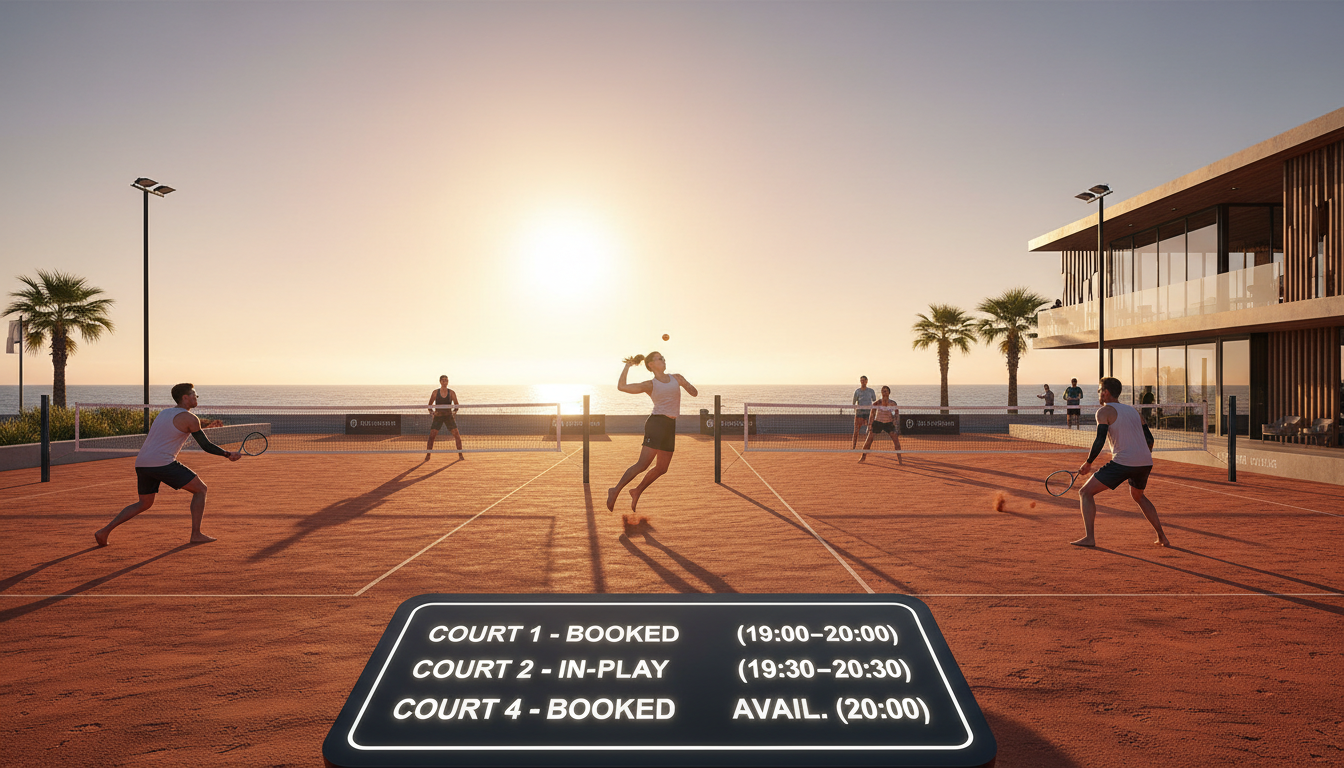
Temperature is a major factor influencing summer sports gear rentals. In Atlanta, where temperatures can soar, extremely hot days might discourage prolonged outdoor activities. This can lead to a decreased interest in gear rentals for sports like cycling or hiking.
On milder days, people are more inclined to venture outside, resulting in higher demand for rental equipment. This means that businesses need to closely monitor weather forecasts to anticipate customer demand and optimize their inventory accordingly.
Adapting to Sudden Weather Changes
Atlanta's weather can be unpredictable, with sudden storms or unexpected heatwaves. Rental businesses must be agile, offering flexible policies for cancellations or rescheduling to accommodate these changes. This customer-centric approach can enhance satisfaction and encourage repeat business.

Leveraging Technology for Better Forecasting
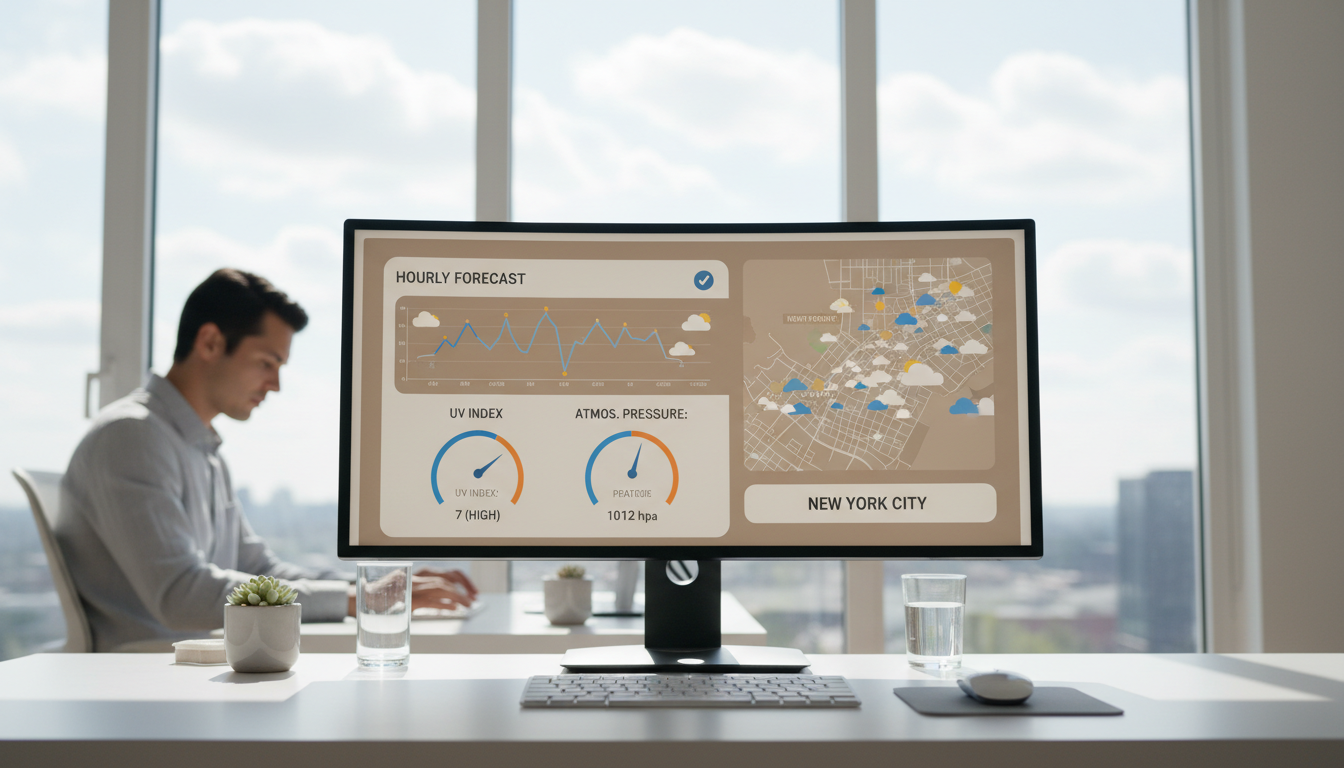
With advancements in technology, rental businesses can utilize weather forecasting tools to better prepare for fluctuations in demand. By integrating these forecasts into their operations, they can adjust inventory levels and staff scheduling to align with predicted weather conditions.
Incorporating weather data analytics can also provide insights into patterns and trends, helping businesses to plan strategically for future seasons. This data-driven approach ensures that companies remain competitive and responsive to their customer's needs.
Creating a Flexible Rental Strategy
A flexible rental strategy is essential for adapting to the impact of weather on summer sports gear rentals. Offering a variety of gear options that cater to different weather conditions can attract more customers. For instance, having indoor sports equipment as an alternative can help maintain revenue during inclement weather.
Additionally, implementing an online booking system with real-time availability updates can enhance convenience for customers, allowing them to make informed decisions based on current weather conditions.
Promotions and Incentives
To encourage rentals during less favorable weather, businesses can offer promotions or discounts. For example, offering a reduced rate on rainy days can entice customers to rent indoor sports gear or participate in guided activities that are less weather-dependent.
Incentives like loyalty programs or package deals can also boost customer retention, ensuring that businesses remain resilient despite weather challenges.